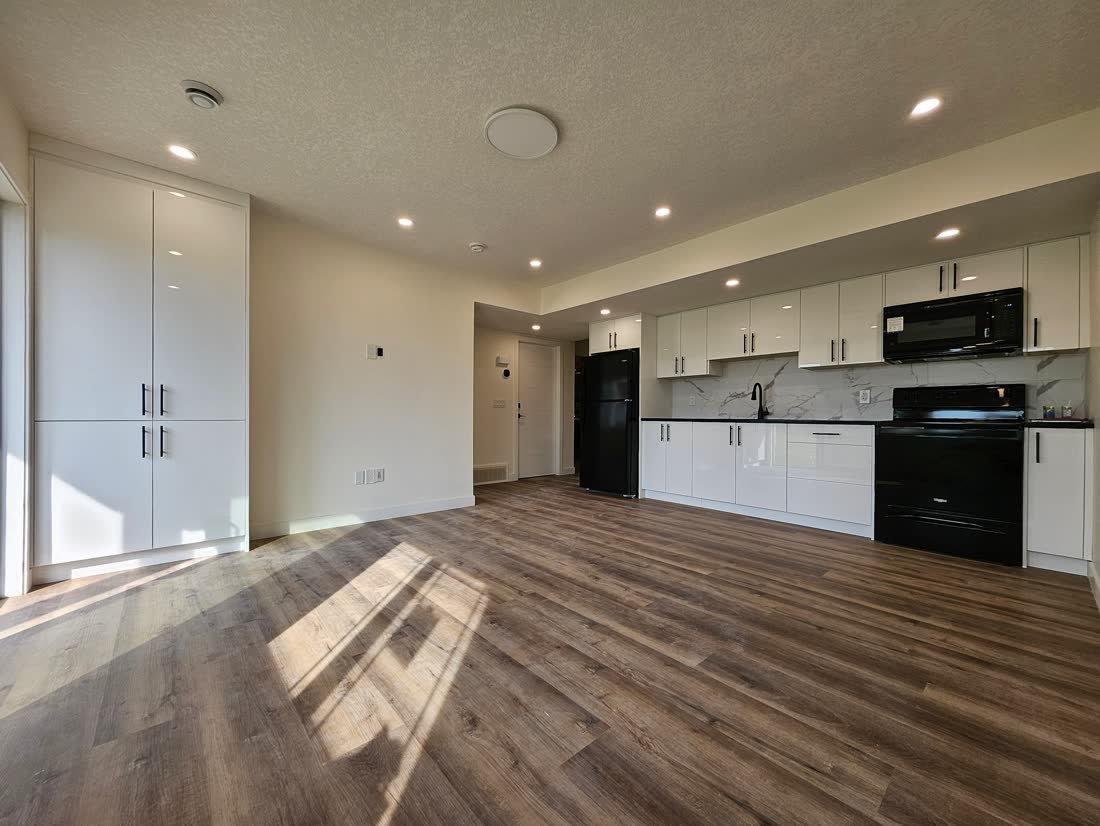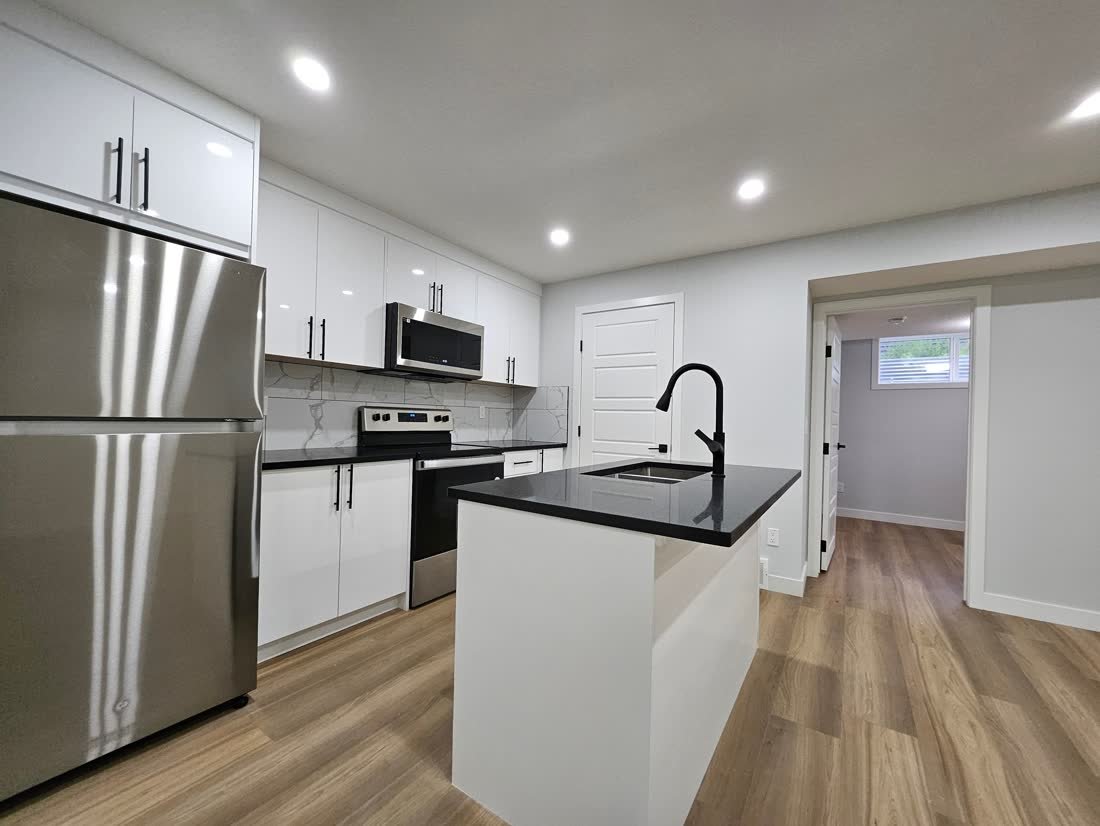
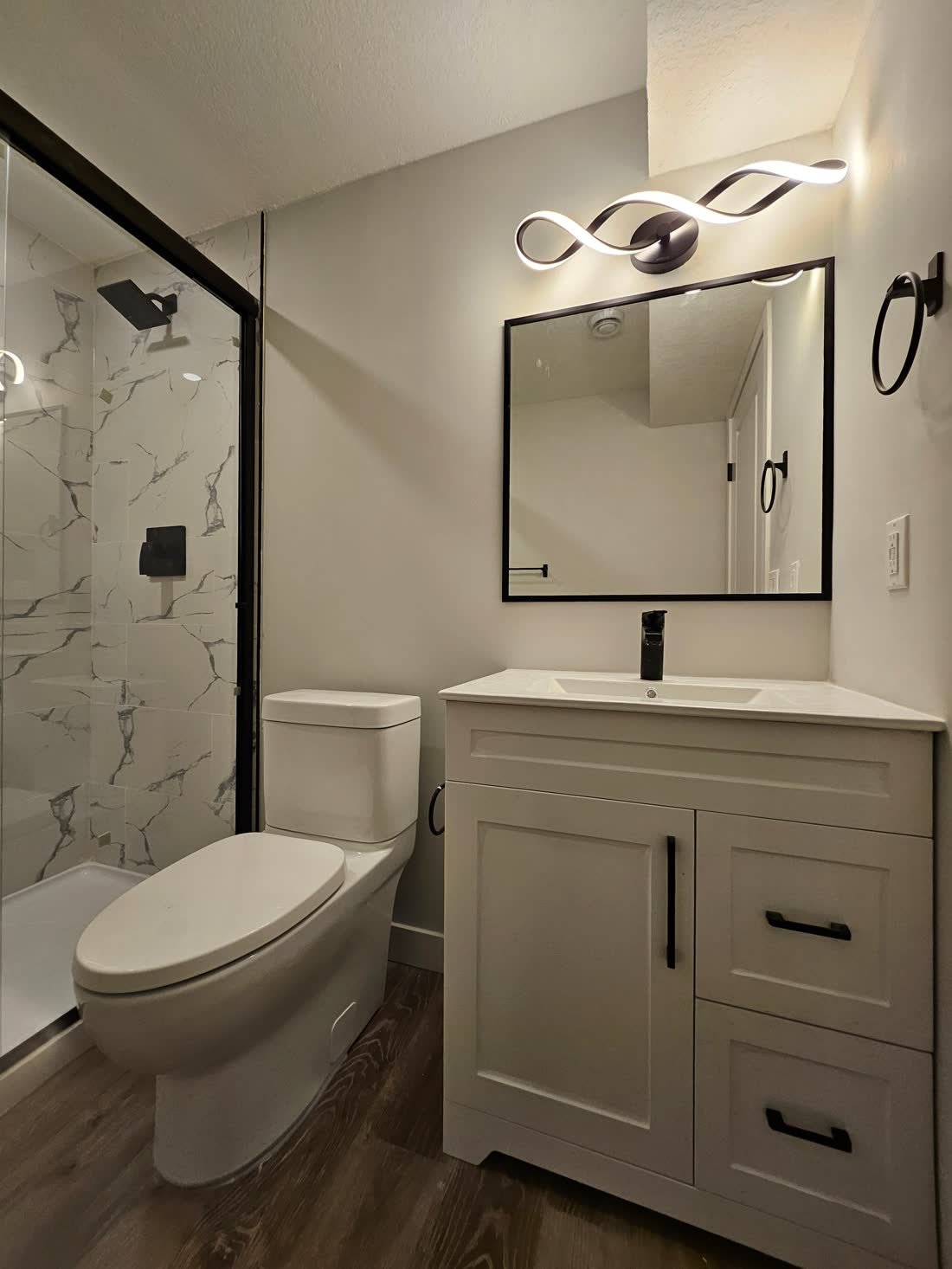
Lenders generally require a secondary suite to be legal and registered before rental income counts toward qualifying, and how much counts varies by lender and product. The practical order is to ask your broker what they need, design the suite to be registrable, then build, inspect and register.
The appeal of a legal suite is that someone else helps pay the mortgage. Whether a lender will agree to count that income is a separate question from whether the tenant pays it.
Legal is the first condition
Rental income from a secondary suite generally has to come from a legal, registered suite before a lender will consider it in the calculation. An unpermitted suite may pay rent reliably and still not appear anywhere in the underwriting.
This is the clearest financial argument for doing a suite properly rather than informally. The paperwork is what turns the rent into something a lender recognises.
Lenders do not all treat it the same way
How much of the rent counts, how it is documented, and whether it offsets the payment or is added to income all vary between lenders and between products. There is no single rule to quote.
What this means practically is that the question belongs with a mortgage broker or your lender, before you build, not after. Ask them what they would need to see. The answer usually involves the registration and some form of market rent evidence.
What suites rent for
Calgary suite rents move with the market. Through 2026 the range we see for a well finished legal basement suite sits broadly between $1,500 and $1,750 a month, varying with size, finish, separate entrance, parking and location.
Treat that as a moving range rather than a number to build a spreadsheet on, and check current local listings for the specific area before making a decision.
Costs that come with the income
The rent is not the return. Utilities, insurance adjustment, vacancy between tenants, maintenance and the time involved in being a landlord all come off it. A suite with separate heating gives you a cleaner basis for handling utilities, which is one reason it is worth getting right at the design stage.
Planning a suite with the rent in mind? We build registered legal suites and give you the drawings to take to your lender. Free consultation, free 2D structure design. Call 587 439 5191.
The order to do things in
Speak to your broker first and find out what they need. Then design the suite to be registrable, which means fire separation, interconnected alarms, a compliant EGRESS WINDOW in every bedroom, ceiling height and separate heating and ventilation handled from the drawing stage. Then build, inspect and register.
Doing it in that order means the suite is financeable the day it is finished. Doing it backwards means retrofitting compliance into a finished basement, which is the expensive version.
The incentive
The City of Calgary Secondary Suite Incentive Program offers up to $10,000 as a reimbursement after the suite is registered. It is waitlisted as of 24 June 2026, carries a two year restriction on short term rental use, applies to the main dwelling only, and requires the permit to be in place before you apply. It is information worth having, not a plan to rely on. Check the City website for current status and conditions.
This page is general information and not financial advice. Your own lender or mortgage broker is the right place for the specifics.
Key facts
- Rental income generally must come from a legal registered suite before a lender will consider it.
- How much rent counts, and how it is documented, varies between lenders and products.
- The question belongs with a mortgage broker or lender before the build, not after.
- Through 2026 well finished legal basement suites in Calgary rent broadly between $1,500 and $1,750 a month.
- Utilities, insurance, vacancy and maintenance all come off the rent before it becomes a return.
- Designing for registration from the drawing stage avoids retrofitting compliance into a finished basement.
Frequently asked
Will a lender count my basement suite rent?
Generally only if the suite is legal and registered. How much of the rent counts and how it is documented varies by lender and product, so ask your mortgage broker what evidence they would need before you build.
What do Calgary basement suites rent for?
Through 2026 we see well finished legal suites rent broadly between $1,500 and $1,750 a month, varying with size, finish, separate entrance, parking and location. Treat it as a moving range and check current local listings.
Does an unpermitted suite income count?
Typically not. The tenant may pay reliably, but without registration the income generally does not appear in the underwriting. This is the clearest financial reason to build a suite properly.
What comes off the rent?
Utilities, any insurance adjustment, vacancy between tenants, maintenance, and your own time as a landlord. Separate heating gives a cleaner basis for handling utilities, which is a design stage decision.
Is there funding available for a suite?
The City of Calgary Secondary Suite Incentive Program offers up to $10,000 as a reimbursement after registration. It is waitlisted as of 24 June 2026, carries a two year short term rental restriction, applies to the main dwelling only, and requires the permit first.